by Wally Vandergrift, Birmingham, Alabama
Jim Crow laws were state and local laws introduced in the Southern United States in the late 19th and early 20th centuries that enforced racial segregation. “Jim Crow” is a pejorative term for an African American. Such laws remained in force until the 1960s.
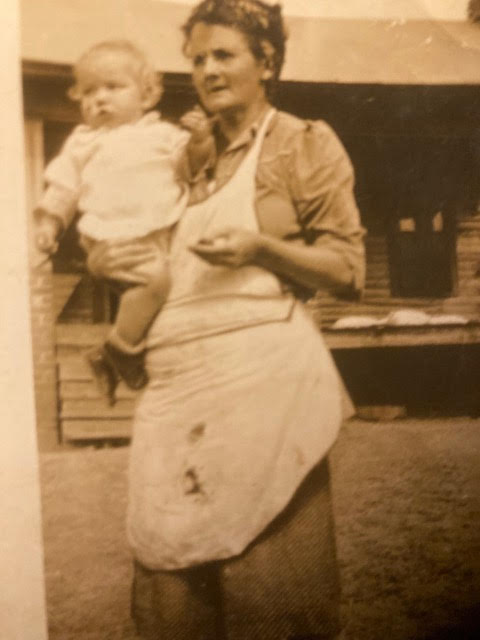
I grew up during Jim Crow. I was the last of 13 kids born in rural Alabama to Russell and Annie, both strong, resilient people. They had made it through the Great Depression with a house full of hungry mouths to feed and they were ready for whatever came their way. I came along about the time WWII ended. Times were easier by then but still tough. We were very poor. My Dad was a sharecropper. We were looked down on but nothing like poor Black sharecroppers in our area. Simply because we were white, somehow we were considered “better.” We went to better schools. Black kids were relegated to ramshackle buildings and used books handed down by white kids.
I remember fondly the man who served as custodian of the school I attended. He was considered a “good” man of color. We kids were not taught to call him Mister but by his first name. We kids loved him and he loved us. We were very young, maybe 6 or 7, and had not learned to be racist. To hate.
He would ride the school bus home with us. Chances are he was too poor to afford an automobile. I am certain he was told to sit on the back of the bus. That was the way things were then.
I never knew any other Blacks until I was a young adult. Interacting with young Blacks later in life opened my eyes to the realization that things were not right. White adults around me had talked about separate but equal, but I realized at that point — separate yes, but equal no. Not by a long shot.
In the rural community, I grew up in, I was definitely in the minority on racial issues. I was different, and it was pointed out in ways that were hurtful. I was a target for bullying. I was ostracized, so I related to Blacks being treated the way they were at that time and where I grew up. Treated less than.
When I visit relatives who still live there, I don’t see a lot of difference in attitudes and beliefs than when I lived there so long ago. Some differences for the better, but not a lot.
A few years back, a man of color who has become a close friend and I attended a commemoration service at Sixteenth Street Baptist Church of the bombing of the church in 1963. He and I are around the same age. We both were around during Jim Crow. His experience had been much different and much more difficult than my experience. We talked about how we would have been at great risk of danger by attending church and sitting together during the time of the horrific bombing. I remember it was a very powerful moment for me and, I sense, a moment for him as well.
There is still a lot of work to be done on racial relations. Racism continues to rears its ugly head. Hate persists. Inequality and injustice still prevail. In spite of this reality, I do see things as much better than the “bad old days of Jim Crow.”
 The Threshold Project